
Have you ever spent hours hunting for the fix to an error, only to finally find it on a small blog written by someone who had the exact same problem? What a relief, right? That feeling is exactly why TeknoTut exists.
TeknoTut (short for Technology Tutorial) is a tech blog full of practical tutorials, research notes, and reviews from the world of technology. Since its first article was published in 2019, this blog has been the place where we document what we learn, so we don't forget it and so it can help others too.
It Started with Research and Curiosity
It all began with a group of technology enthusiasts who called themselves Scientist. What we did was simple: tinker, experiment, and do research and development in technology, from building servers and putting together Raspberry Pi projects to trying out machine learning and computer vision.
Along the way, we kept noticing that good guides were scattered across many places, or no longer matched the latest versions. So we started writing our own notes, step by step, in plain language. Those notes eventually became the articles on this blog.
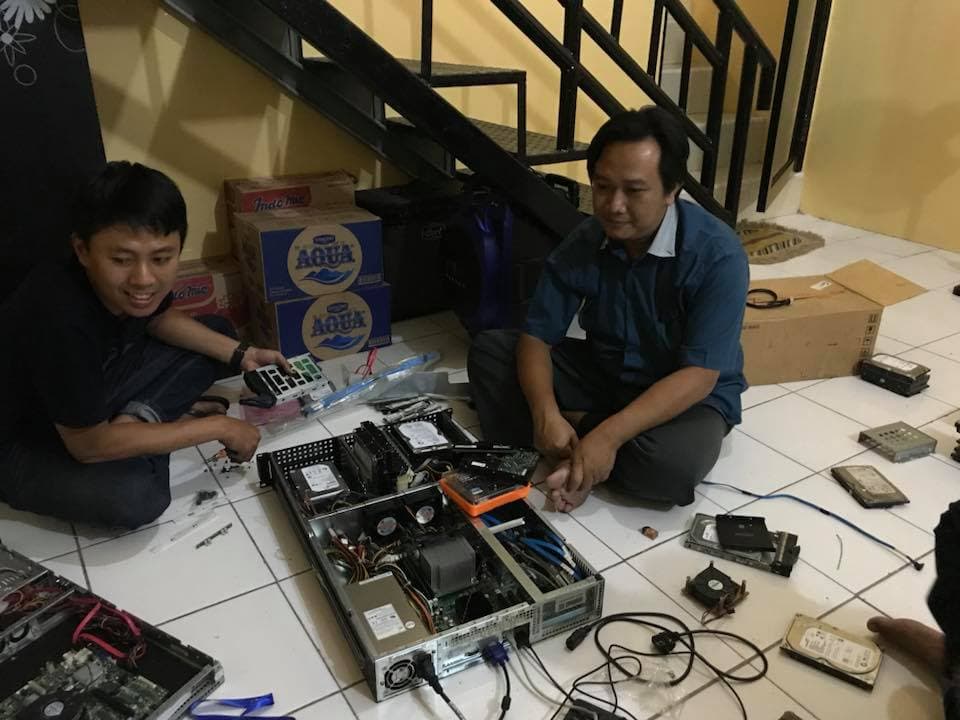 Server research we did together with the Scientist team
What Will You Find on TeknoTut?
TeknoTut focuses on topics that developers, sysadmins, and tech hobbyists actually use day to day. Here are the main themes we cover:
- Linux & Servers: Ubuntu/Debian administration, SSH, systemd, security, and VPS management. For example, How to Secure a Linux VPS.
- Docker & Self-Hosting: running your own apps with Docker, Docker Compose, and reverse proxies. Start with Learn Docker Compose.
- Raspberry Pi & Electronics: GPIO projects, sensors, cameras, and tiny home servers. A good first read is Getting to Know the Raspberry Pi.
- AI for Developers: the latest AI models and tools, local AI, and how to use them in your code, like How to Install Ollama on Ubuntu.
- Web Development: Node.js, JavaScript, Next.js, and deploying web apps to a VPS, such as Deploy Next.js to a VPS with PM2 and Nginx.
- IoT: Arduino, ESP8266 & ESP32: programming microcontroller boards, sensors, WiFi, and on-board web servers. Try How to Program the ESP32 with the Arduino IDE.
Every article is available in two languages, Indonesian and English, so more people can read it.
How We Write Our Articles
We want you to be able to follow every TeknoTut tutorial from start to finish without getting lost. That's why we stick to a few principles:
- Friendly tone, technical substance: we write like a friend explaining things to you, not like a stiff textbook.
- Step by step: every tutorial is laid out in order, with commands you can copy right away and an explanation of what each one does.
- Based on official sources: we check versions, commands, and configuration against the latest official documentation, and we mention the environment each guide targets.
- Honest and balanced: besides the benefits, we also talk about the drawbacks of a tool or method, so you can choose what fits you best.
That said, we're only human. Technology moves fast, and a step may stop working or a sentence may come out wrong. If you spot one, we'd be very grateful if you let us know.
Sharing Knowledge for Free
Besides our internal research, we also actively run free seminars, training sessions, and workshops. We believe knowledge becomes more valuable when it's shared, and we want to play our part in helping people learn.
Our door is open to anyone who is up for the challenge of technology, whether you're a student or a professional. Everything we have learned, we will share for free.
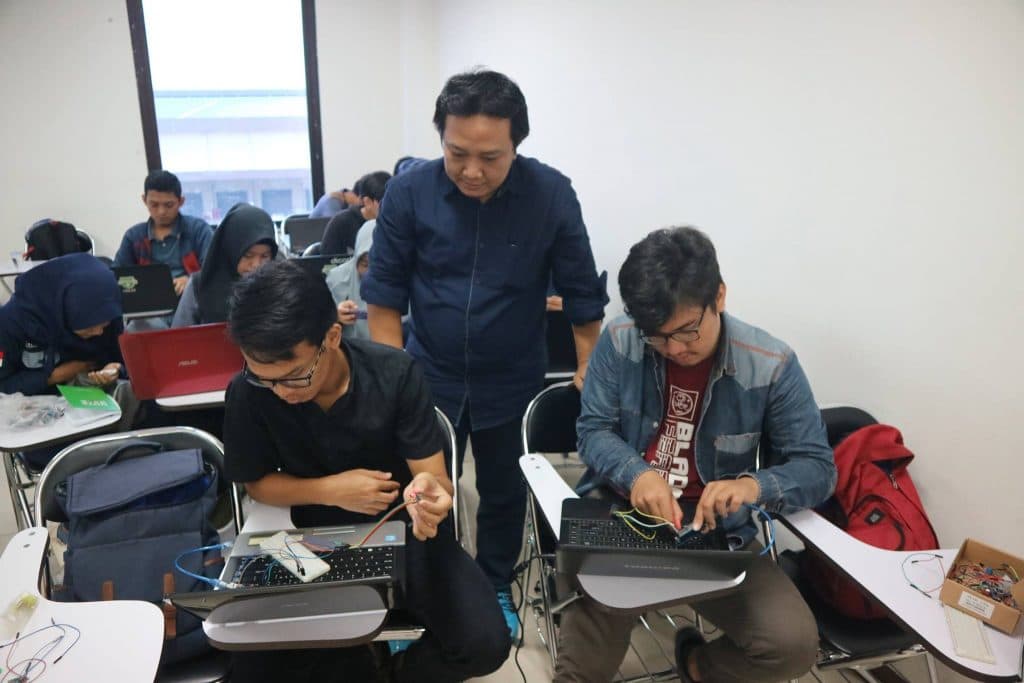 A technology workshop we held at Pelita Bangsa University
Let's Connect
Have a question, an article idea, or want to invite us to run a workshop? Feel free to reach out through the Contact page. We love hearing stories and feedback from our readers.
Thanks for stopping by TeknoTut. Keep an eye on the blog for more tutorials, and happy learning!